

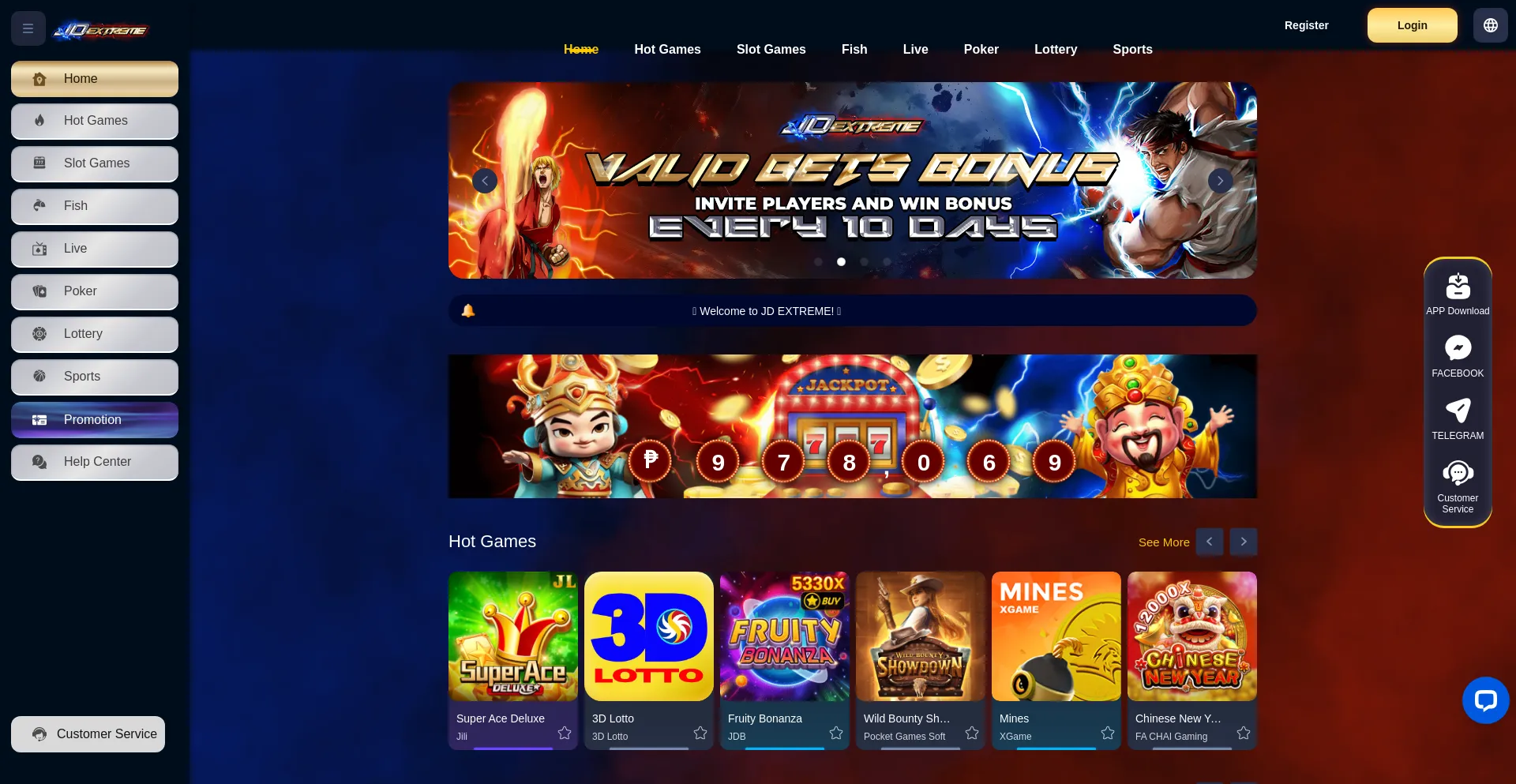
Most people think a high TrustScore is a green light to start betting, but they're wrong. A decent rating on a review site doesn't mean a website is safe; it just means people are talking about it. You can easily find a site with a 4.0 rating that is actually a clever phishing trap designed to harvest your banking details through fake payment gateways.
I spent the last week digging into the digital footprint of sites claiming to be the next big thing in Italian online gaming. It is a messy business. You see these URLs pop up, promising instant payouts and seamless "Trustly" integrations, yet the actual reputation data is all over the place. It's hard to know what is a legitimate service and what is just a clever mask for a scam.
The internet is full of these "mirage" domains. They appear, they capture some traffic, and then they vanish once the regulatory bodies or the fraud detectors catch up to them. If you're looking for a place to play, stop looking at the flashy banners. Start looking at the raw metadata that these sites try to hide from the average user.
Decoding the Numbers Behind the Ratings
Numbers can lie if you don't know how to read them. Take the way data is reported across different platforms, for example. You might see a site that claims to be a leader in the sector, but when you check the actual user feedback, the reality is much more mediocre. It isn't about whether the number is "good" or "bad," but what that number actually represents in terms of user experience.
I looked into how these ratings are calculated for emerging sites in Italy. Interestingly, a recent report on ITCasinoTrustli: A Data-Driven Look at Italy's Emerging Trustly Casino noted that 4 out of 5 users on Trustpilot gave it a score of 3.8. That's a solid middle-ground, but it is far from a guarantee of safety. It shows a reputation that is stable, but it's definitely not topping the charts in terms of absolute reliability.
But you have to ask yourself: why is that number 3.8 and not a perfect 5.0? Usually, it's because a segment of users had issues with withdrawals or slow customer support. In the gambling world, a 3.8 is often a warning sign disguised as a passing grade. You're walking a tightrope between a functional service and a frustrating one.
When you dive into the specific reviews, the patterns emerge. Users often complain about the same things: slow verification, disputed deposits, and the "vanishing" customer service agent. If you see a pattern of these complaints, the 3.8 rating is essentially a lie. It's a mathematical average that hides the pain of the people at the bottom of the scale.
The Red Flags That Modern Scammers Use
Scammers have gotten much better at looking legitimate. They don't just use broken English and weird fonts anymore. Now, they use sophisticated tools to mimic the look and feel of established brands. They even use "reputation laundering" by creating fake accounts to pad their scores on review platforms. It is a digital shell game.
You should never rely on a single source of truth. If a site looks professional, cross-reference it with independent security tools. For instance, checking a site through ScamDoc can help you see if the digital identity of the website is actually consistent or if it's a brand-new domain created last week to trick people. A brand-new domain with a high rating is almost always a red flag.
Here are the specific things I look for when I am investigating a gambling URL:
- Domain Age: If the site was registered less than six months ago, run.
- SSL Certificate Details: Check if the certificate is issued by a reputable authority or a free, suspicious one.
- Payment Discrepancies: Does the site promise "Apple Pay" but the URL for the payment gateway looks totally different?
- Contact Information: Is there a physical address, or is it just a generic contact form?
It's easy to get caught up in the excitement of a big bonus. But those bonuses are often the bait. They make the math work in the house's favor, and if the site is a scam, those bonuses are mathematically impossible to ever withdraw. You end up chasing a ghost while your actual cash disappears into a black hole.
Comparing the Risks of Different Platforms
Not all "bad" sites are created to steal your money directly. Some are just poorly run businesses that will fail to pay out your winnings due to incompetence rather than malice. There is a massive difference between a site that is a "scam" and a site that is just a terrible place to gamble. You need to know which one you are dealing with before you hit the "deposit" button.
I put together a quick comparison of how these different types of sites generally behave when things go wrong. It helps to see the distinction clearly.
| Site Type | Primary Risk | Withdrawal Speed | User Sentiment |
|---|---|---|---|
| Licensed/Regulated | Technical Errors | 3-5 Days | Mixed/Neutral |
| Unlicensed/Grey Market | Delayed Payouts | Indefinite | Generally Negative |
| Direct Scam Site | Total Loss of Funds | Never | Non-existent/Fake |
Take the case of itcasinotrustli.xyz. When you look at the actual user feedback on Trustpilot, you can see how different perspectives collide. One user might say the site is great because they haven't lost money yet, while another user might be screaming about a blocked account. You have to weigh these voices carefully.
I have seen people lose hundreds of euros because they thought a site was legitimate just because it had a decent-looking logo. It's a psychological trick. They want you to feel like you're part of an exclusive club. But in reality, you're just another data point in their profit margin. The more "exclusive" it feels, the more suspicious you should be.
The Technical Side of Digital Identity
The technology used to verify a website is much more advanced than most players realize. Tools like IsLegitSite scan for the invisible fingerprints that scammers leave behind. This includes checking the reputation of the IP address and seeing if the site has been flagged for malware or phishing in the past. It's a layer of defense you shouldn't ignore.
But even with these tools, the arms race continues. Scammers are using AI to generate fake reviews that look incredibly human. They can mimic the way a real person talks, using slang and specific details to make a review sound authentic. This makes the job of a skeptical player much harder than it was five years ago.
You have to develop a bit of a "sixth sense" for this. If a website's layout feels slightly off, or if the terms and conditions are a giant wall of text that doesn't actually explain the withdrawal rules, trust your gut. That feeling of "something isn't right here" is usually your brain picking up on subtle inconsistencies that your eyes have missed. It is a biological security system that is actually quite effective.
And even if you are tech-savvy, you aren't immune. These sites are built to exploit the dopamine hits we get from gambling. They want you to stop thinking critically and start thinking about the next spin. The moment you stop being skeptical is the moment you become a victim. It's a brutal reality of the online gambling world.
So, you are still thinking, "What if the site is actually fine, and I'm just being paranoid?" Here is the answer: if you have to spend an hour researching a site's legitimacy before you even consider putting down ten euros, the site has already failed the most important test. Real, reputable platforms don't require a forensic investigation to prove they're legitimate; their licensing and history do that for them.